
Choosing LiPo batteries for RC helicopters
C rating, cell count, capacity, connector choice — how to read a helicopter battery spec and why the cheap 45C pack is often the wrong pack.
Helicopters are more demanding on batteries than any other RC class. A hover pulls steady current; a climb pulls a spike; a 3D manoeuvre pulls a step function the battery must meet within a handful of milliseconds. Pick the wrong pack and the flight controller will flag voltage sag, cut power mid-manoeuvre, or — in the worst case — puff the battery.
Cell count (S)
Most 450-class helicopters run 3S (11.1V nominal). 550s and 700s run 6S or 12S. Match exactly — a 6S heli will not fly on 4S, and a 3S heli will melt on 6S.
Capacity (mAh)
For a 450 PNF, 2200mAh 3S is a safe starting point. More capacity = longer flight time but more weight, which reduces hover efficiency. A heavier battery is not always a longer flight.
C rating
The C rating is the continuous discharge rate. A 45C 2200mAh pack can theoretically output 99A continuously. Helicopters ask for burst discharge, not continuous — a pack labelled 45C/90C burst is ideal. Avoid no-name packs: stated C ratings on cheap batteries are often fiction.
Connector choice
XT60 is the de facto standard for 450-class. EC3, EC5 and XT90 appear on larger machines. Match your ESC connector or buy adapters — do not solder under time pressure at the field.
Storage and care
Store LiPos at 3.7–3.85V per cell if not flying for a week+. Charge at 1C unless you know the pack tolerates faster. Cycle new packs twice at 1C before going full-throttle. Never leave them on a charger unattended and never store fully charged for long.
Kit to build what you just read
All helicopters →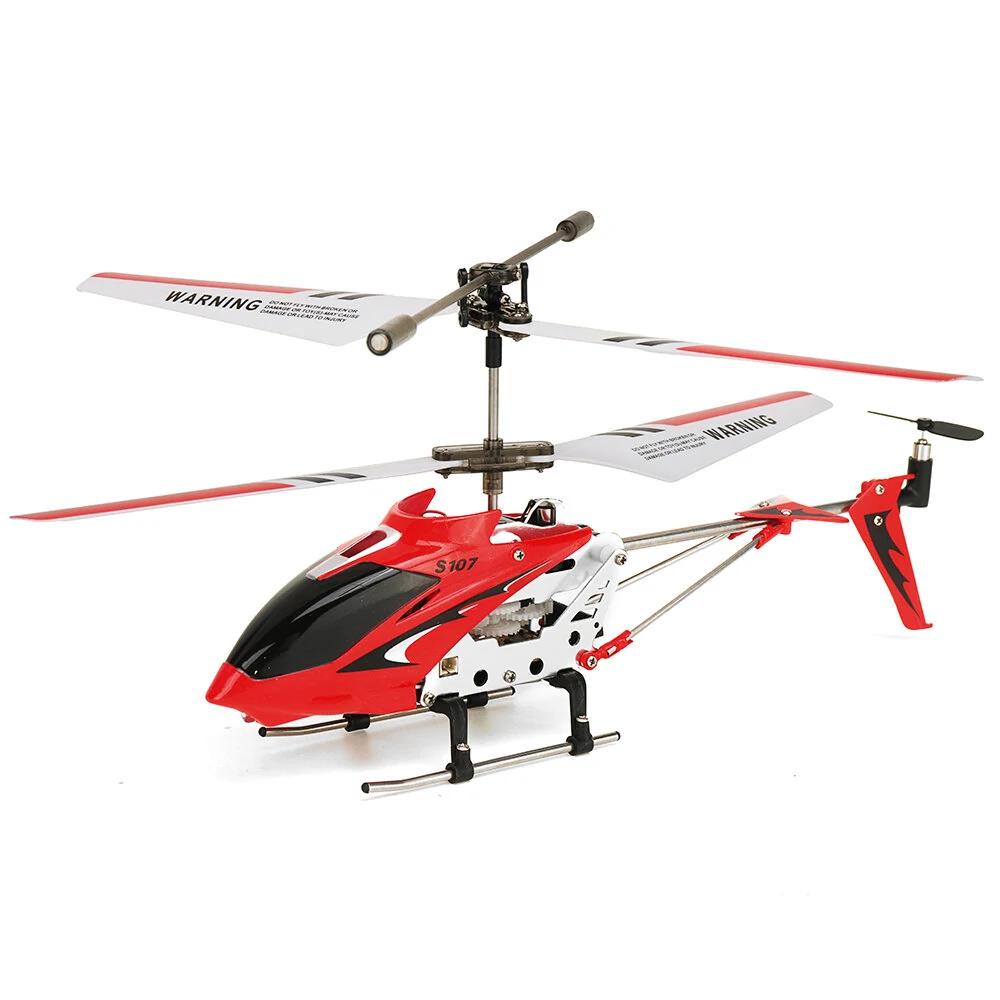 RC Helicopters
SMYA S107G Mini RC Helicopter
£29.99
 FlishRC Parts
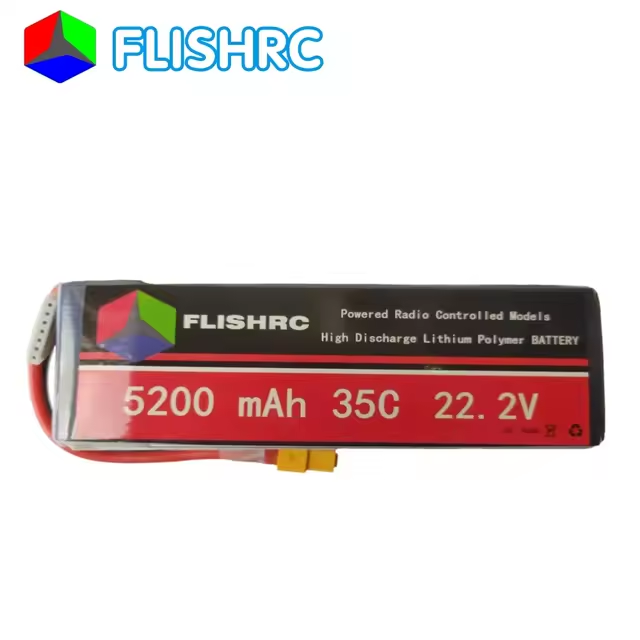
FLISHRC Lipo Battery 5200mAh 6S 22.2V 35C for FL500
£55.99
 RC Helicopters
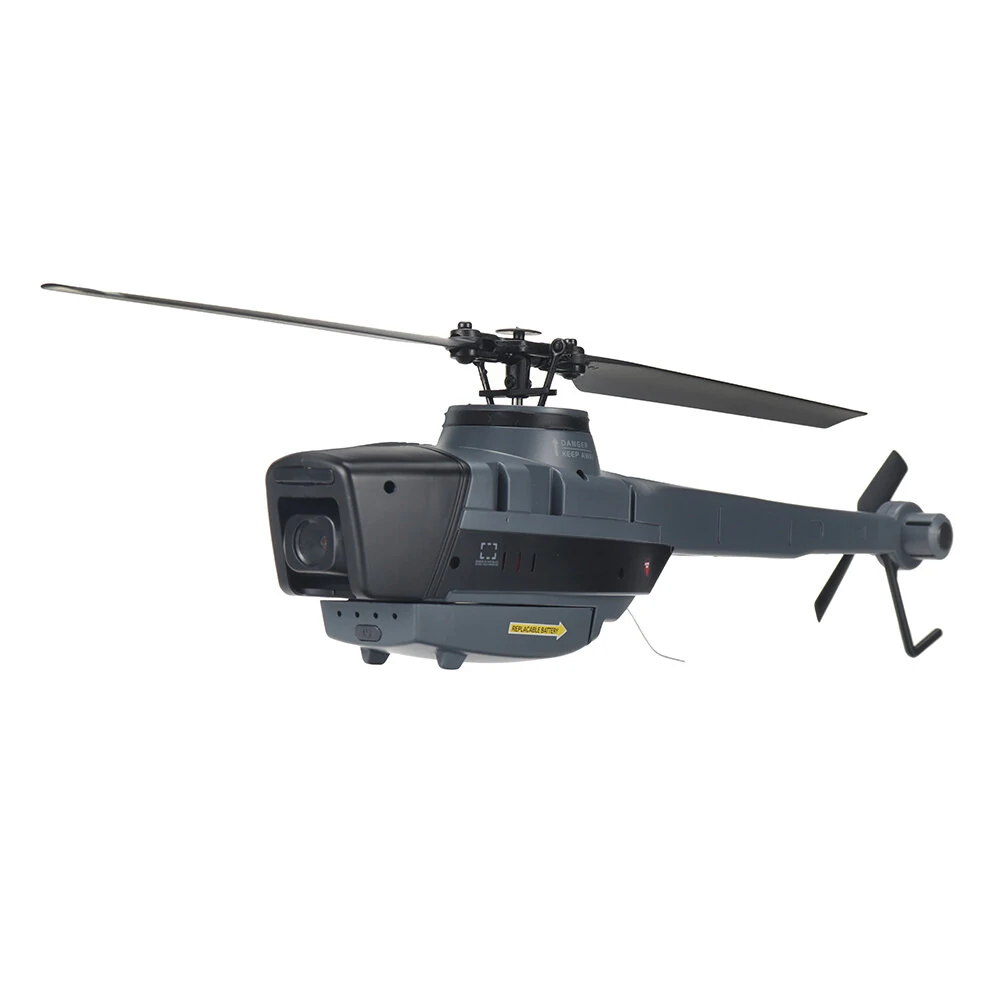
C128 Military camera drone RC helicopter with HD camera
£89.99£99.99
 Batteries & Chargers
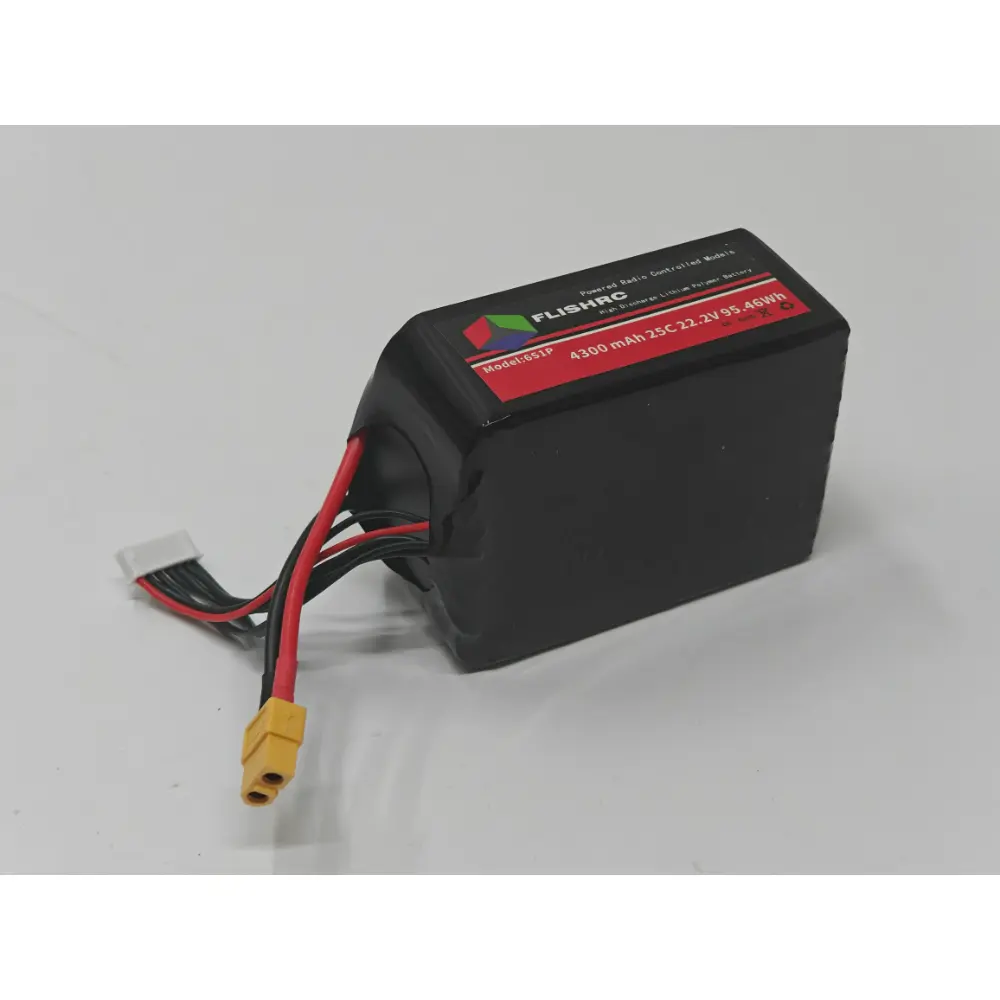
FLISHRC 4300mAh 25C 6S 22.2V LiPo Battery for 500 Size RC Helicopter
£41.89£55.29
Keep reading · Guides
How to set up pitch and throttle curves on an RC helicopter
Two five-point curves decide how your helicopter actually flies. Here is what each point does, what good values look like, and how to tune without breaking anything.
Tracking RC helicopter blades: a step-by-step guide
Off-tracking blades cost you altitude, eat batteries, and shake the airframe to pieces. Twenty minutes and three coloured strips of tape and you can fix it forever.
Setting up your transmitter for the first RC helicopter (Spektrum, FrSky, Radiomaster)
Swashplate type, dual rates, expo, throttle hold, failsafe. The five settings that decide whether the helicopter flies well or fights you the whole way.