Your first RC helicopter: how to pick one and not quit
Coaxial, fixed-pitch, or collective-pitch — which one to start on, why the internet is often wrong, and how to avoid the £300 mistake.
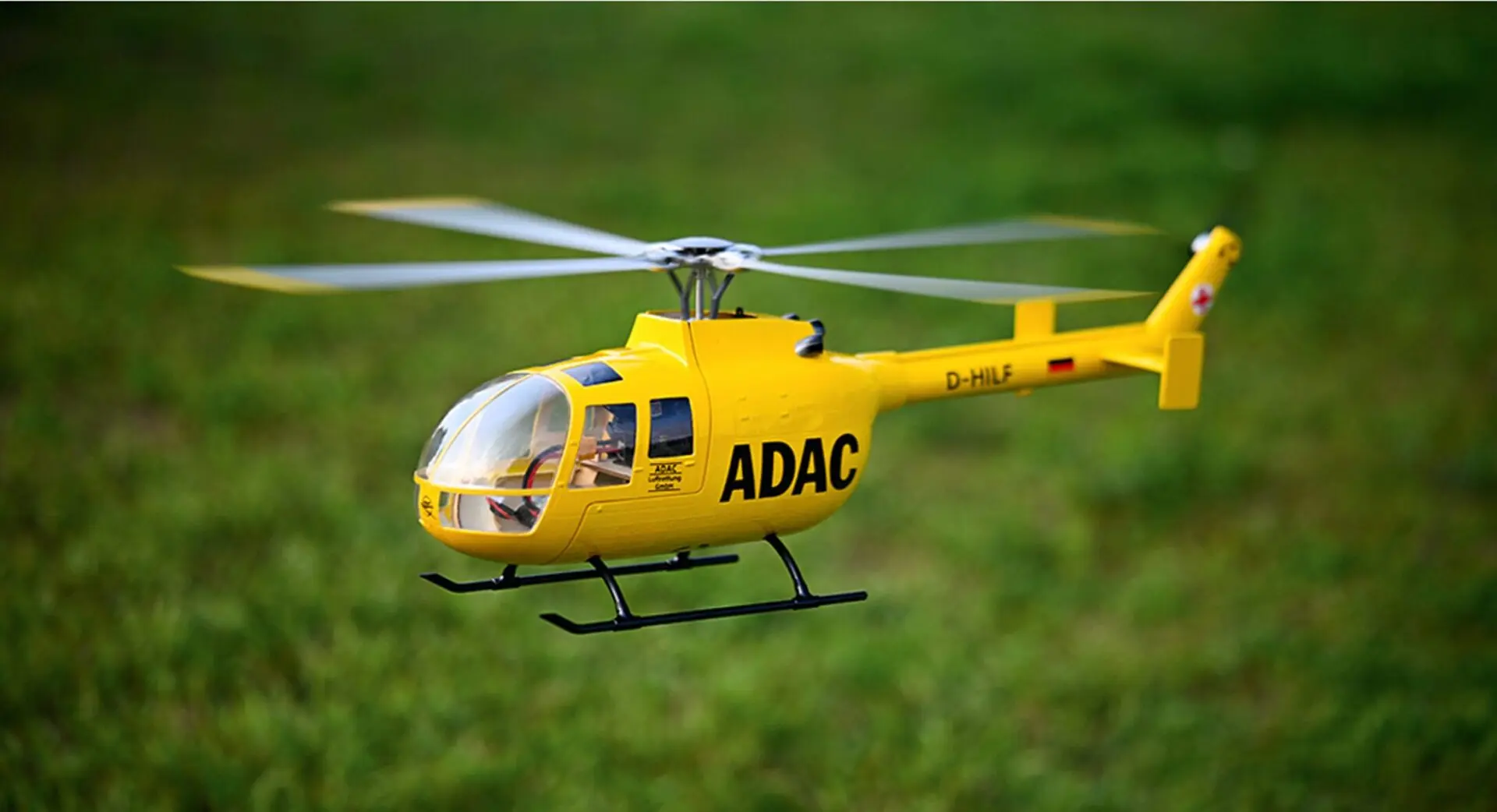
Most people who quit RC helicopters in their first month did not quit because it was too hard. They quit because they bought the wrong helicopter. A good first helicopter hovers gently, forgives pilot error, and costs less to crash than it does to fix. A bad first helicopter is a £350 lesson in why you should have read this article.
The three classes, briefly
Coaxial helicopters use two counter-rotating rotors stacked on the same mast. They are astonishingly stable — most will hover unattended for a few seconds if trimmed well. They are the only class we recommend for absolute beginners. Indoor, small, forgiving, cheap to crash.
Fixed-pitch single-rotor helicopters fly more like a real helicopter but the rotor head cannot change blade angle. Climb comes from spinning the rotor faster. They are a natural step up from coaxial and still affordable to fly.
Collective-pitch (CP) helicopters are the serious machines. The blades change angle dynamically; they can fly inverted, loop, roll and 3D. They are also twitchy, fast, and expensive. Do not start here.
What to buy first
A small coaxial or a fixed-pitch heli with a built-in 6-axis gyro. Aim for £80–£150. Spend the saved money on batteries and a few spare main blades. You will break main blades. Everyone breaks main blades.
When to step up
When you can hover nose-in, tail-in and side-on for two minutes each without correction, you are ready to move to a collective-pitch machine. Most pilots reach that point around six months of regular flying.
Kit to build what you just read
All helicopters →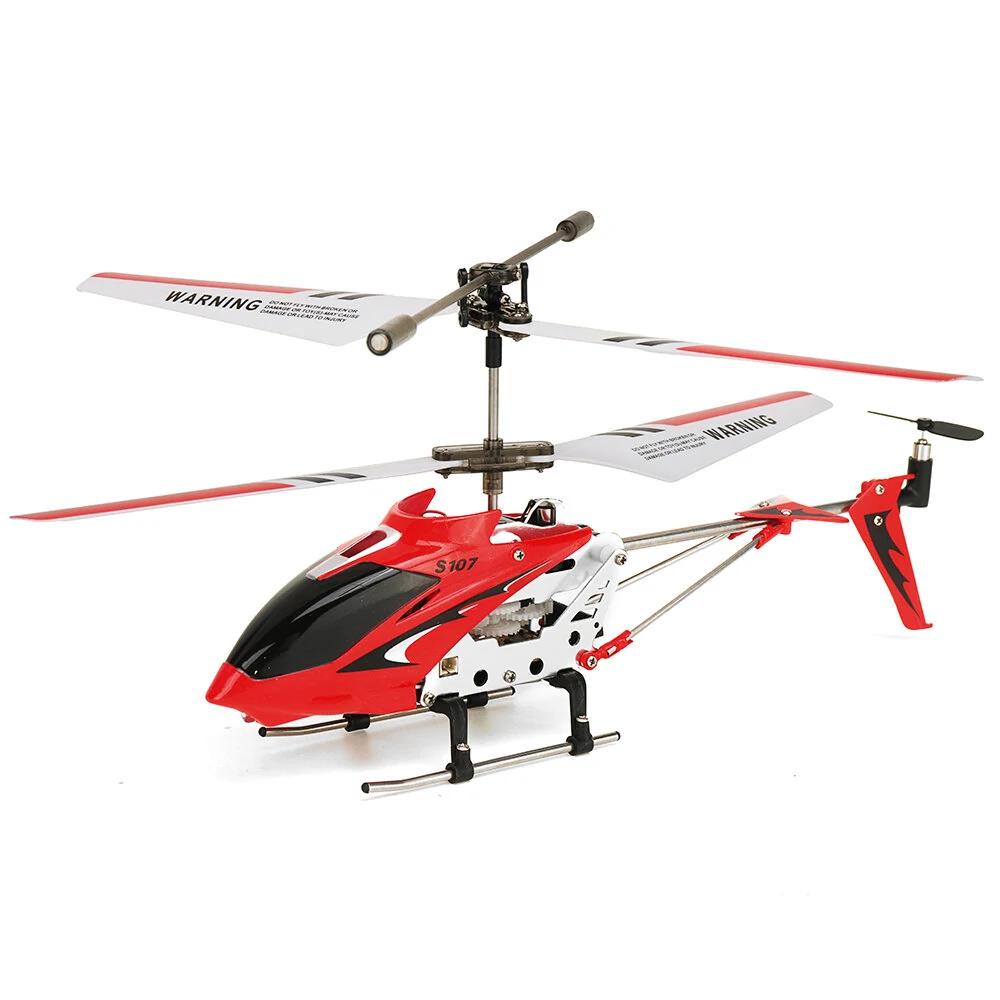 RC Helicopters
SMYA S107G Mini RC Helicopter
£29.99
 FlishRC Parts
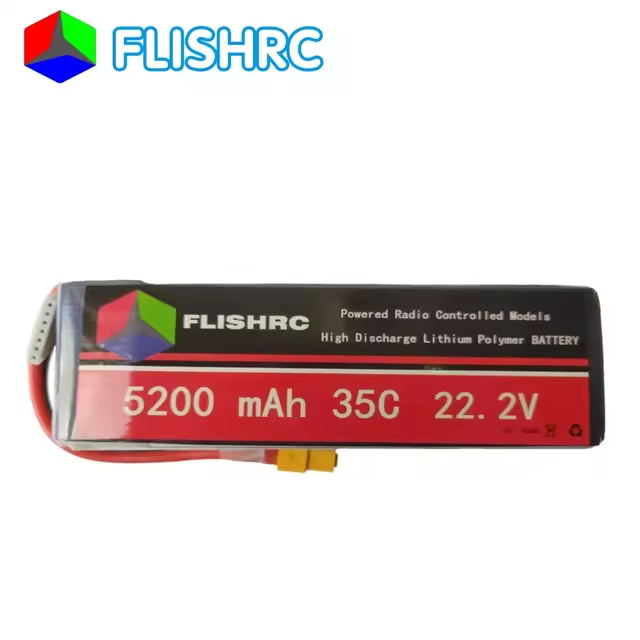
FLISHRC Lipo Battery 5200mAh 6S 22.2V 35C for FL500
£55.99
 RC Helicopters
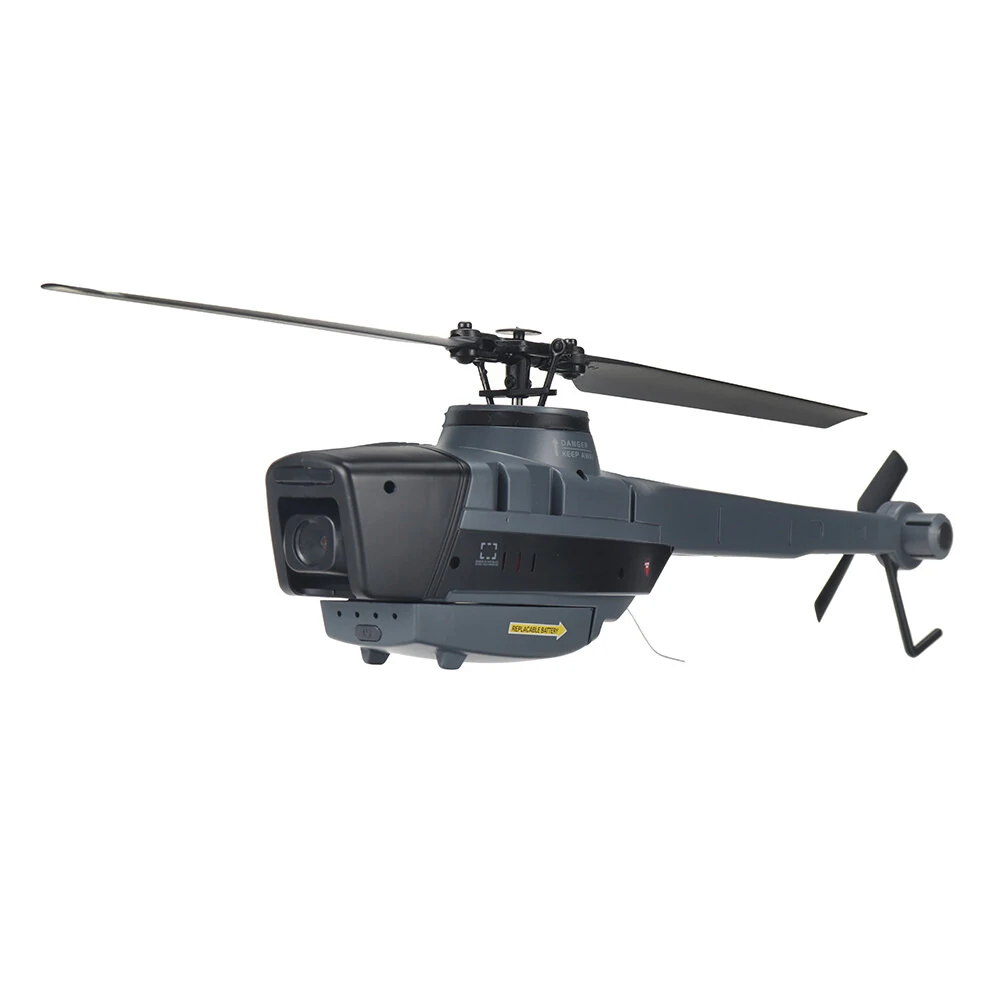
C128 Military camera drone RC helicopter with HD camera
£89.99£99.99
 Batteries & Chargers
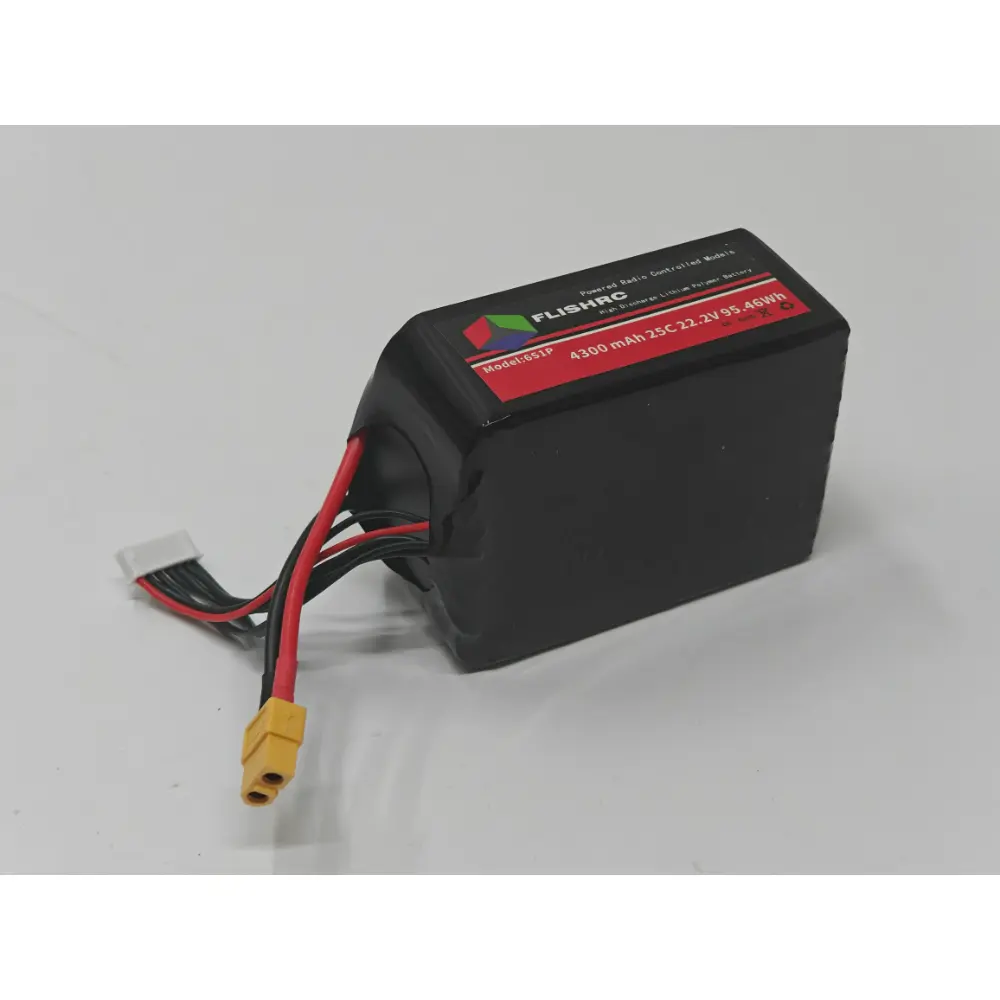
FLISHRC 4300mAh 25C 6S 22.2V LiPo Battery for 500 Size RC Helicopter
£41.89£55.29
Keep reading · Beginners
PNF, BNF, RTF, ARF: what RC helicopter acronyms actually mean
Four three-letter labels decide what comes in the box, what you need to buy separately, and whether you can fly tonight or next month. Here is what each one really means.
Indoor vs outdoor RC helicopters: which to start with
Your room or a club field, two different aircraft, two different learning curves. The right answer depends on where you actually have space to fly.
How long does it take to learn to fly an RC helicopter?
Hover in a fortnight, fly competently in three months, fly well in two years. An honest timeline for the patient beginner.